
The Critical Role of Student Background Checks in International Education

The Critical Role of Student Background Checks in International Education

Across campuses and consulates, background screening has moved from a box to check to a decisive requirement that can influence admissions, visa approvals, and internship placements. Universities want clearer assurances about who is joining their communities. Ministries abroad want documentation that can be authenticated and verified. For students, the difference between an on-time departure and a canceled placement often comes down to whether police, state, and federal checks are ordered in the correct format and authenticated in the proper sequence. 

What schools and hosts look for 

Admissions offices, exchange partners, and internship sites typically request one or more screening documents before arrival. The most common are police clearance certificates, statewide criminal record checks, and the FBI Identity History Summary. Requirements vary by program and destination, but the purpose is consistent. Screenings help protect students, staff, and the communities that host them, and they help schools demonstrate due diligence. 

One process, many issuing authorities 

Local or municipal agencies usually issue police clearances. State criminal checks are handled by designated repositories or state police. The FBI Identity History Summary is a federal document. Students are often surprised to discover that each document follows its own issuance rules, timelines, and submission formats. Mismatches between what an authority provides and what a foreign recipient expects are a common cause of rejection. 

The international wrinkle 

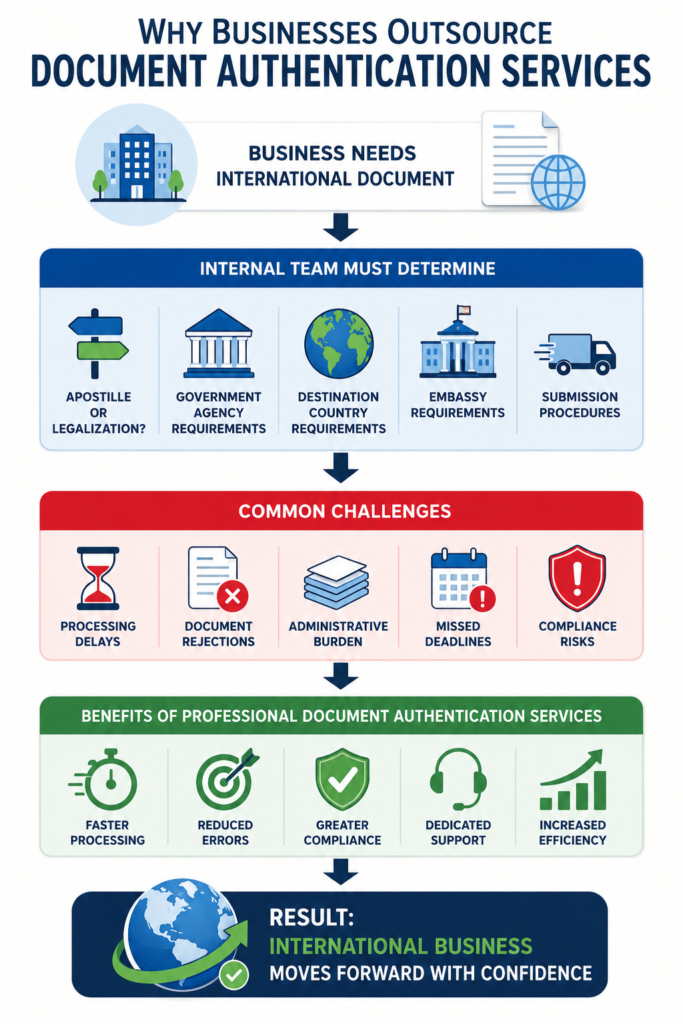
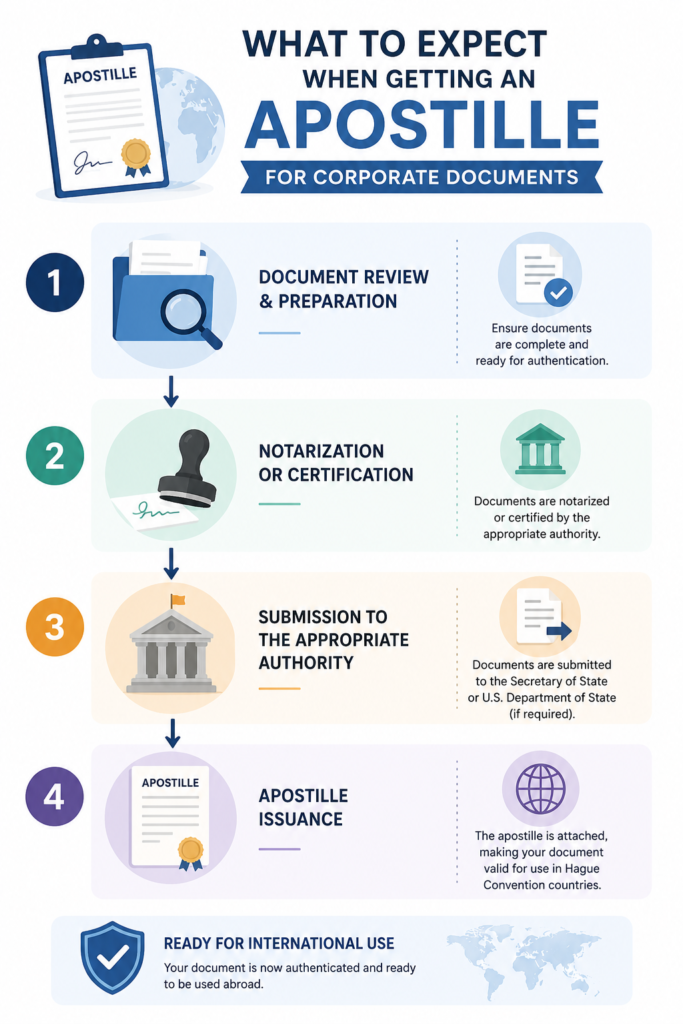
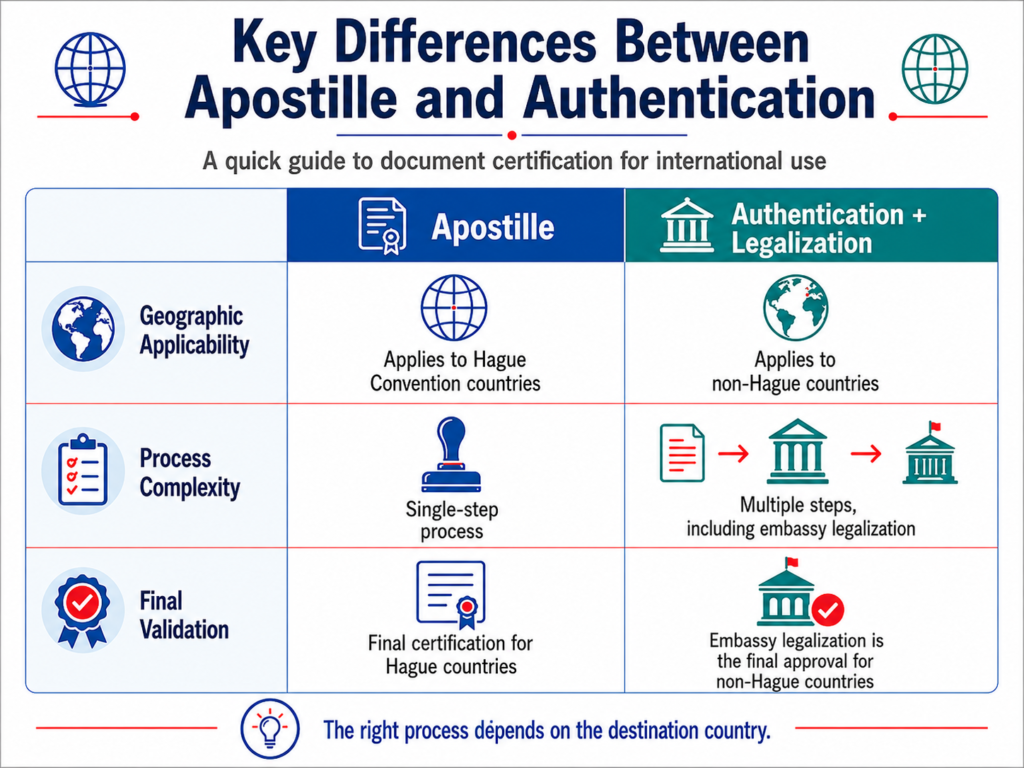
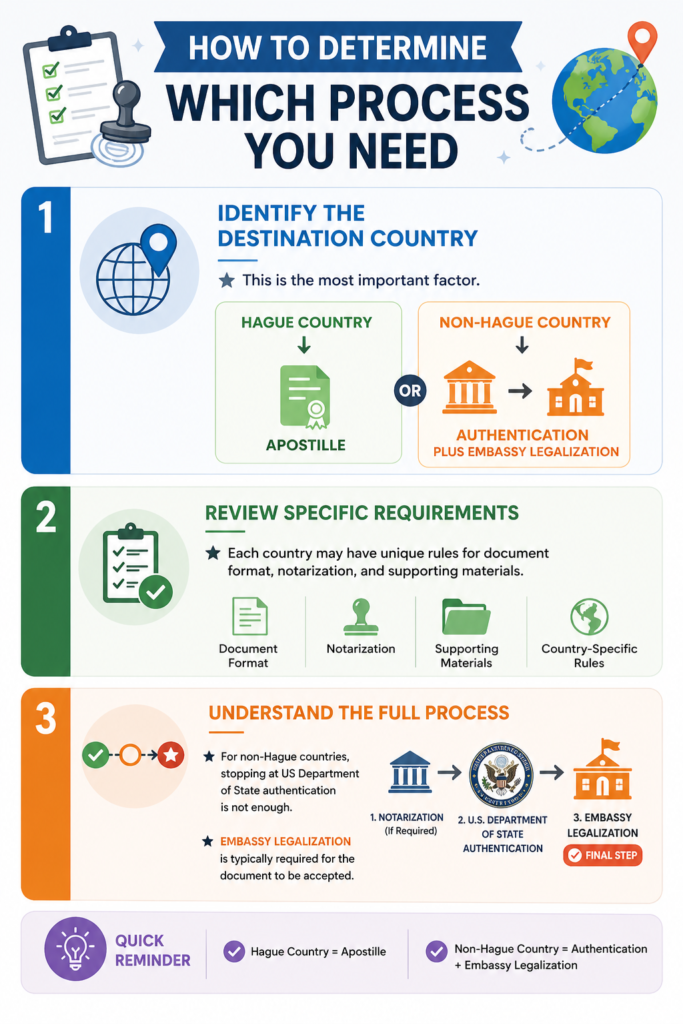
A valid domestic background check may be unacceptable overseas without proof of authenticity. Countries that participate in the Hague Apostille Convention recognize an apostille issued by the competent authority. Countries outside the convention typically require consular or embassy legalization. Students and advisors should confirm which pathway applies to the destination before requesting the check, since the education document authentication route can dictate how the document must be issued and signed. 

Timing and sequence matter 

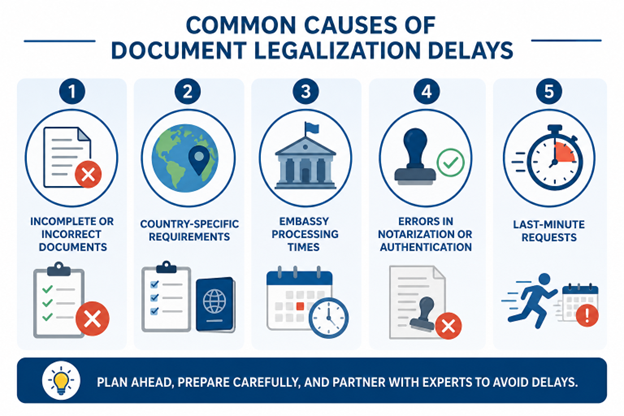
Lead times can be tight. The FBI Identity History Summary often requires fingerprinting before processing begins. Apostilles or legalizations add additional steps at the state, federal, or consular level. In many cases, notarization or registrar certification must occur before authentication can be requested. Starting early and following the correct order reduces the likelihood of last-minute barriers at the visa stage. 

Avoiding common pitfalls 

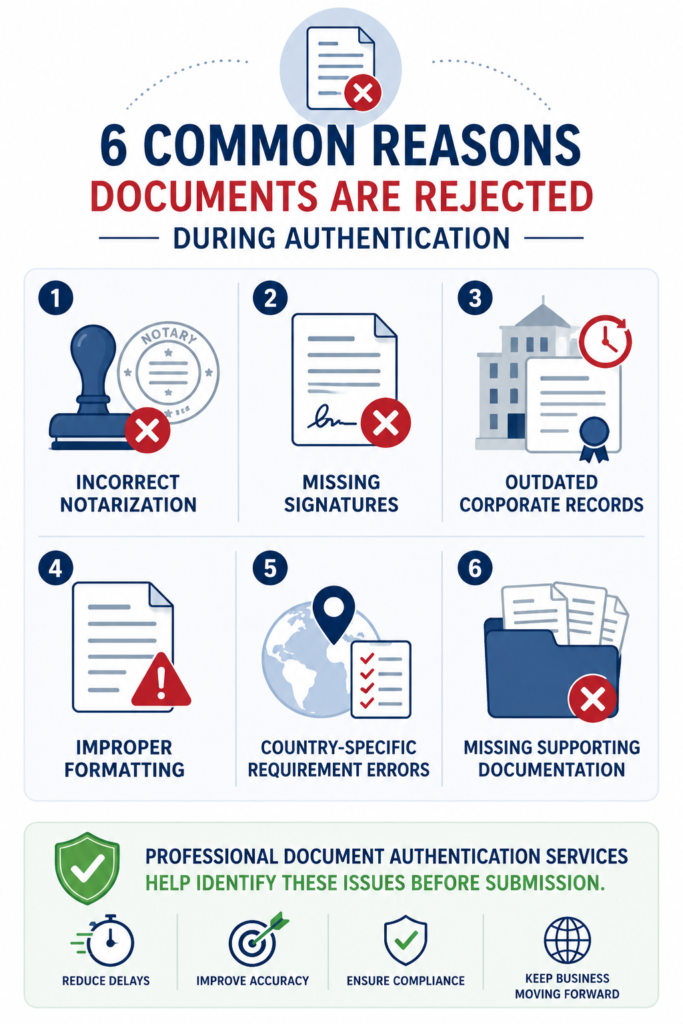
Students should confirm the required document type, the issuing authority, the destination country’s authentication rules, and any translation needs. They should also verify whether electronic copies will be accepted or if originals are required. Minor discrepancies in names, dates, or signatures can trigger returns. Keeping copies of submission receipts and tracking numbers helps when programs request proof that processing is underway. 

Background checks are now a standard part of international education. Treated early and in the correct sequence, they support a smooth transition to study or work abroad. Left to the last minute, they can halt an otherwise complete application. 

If you need help securing apostilles or embassy legalizations for background checks, contact Washington Consular Services for dependable support. 

Key Takeaways 

  • Police, state, and FBI background checks are frequently required for study abroad and placements.
     
  • Documents that are valid in the United States may need an apostille or embassy legalization for use overseas.
     
  • The required authentication pathway depends on the destination country.
     
  • Start early, since fingerprinting and multi-step authentication can extend timelines.
     
  • Confirm formats, signatures, and names to avoid rework and delays.

How to Get Apostille Documents in Maryland: A Step-by-Step Guide with Expert Support

Imagine preparing for an important international move or transaction, only to discover your documents aren’t recognized abroad. That’s where the apostille comes in, a seemingly minor piece of paper that unlocks legal access to international opportunities. 

However, in Maryland, obtaining apostille documents isn’t just a formality; it’s a process with specific steps, rules, and a few pitfalls for the unwary. If you’re planning to use any Maryland-issued documents overseas, whether it’s a birth certificate, business license, or power of attorney, you’ll need to get familiar with this process. Fast. 

Let’s break it down: what exactly is an apostille, when do you need one, and how do you get apostille documents in Maryland? 

What Is an Apostille, and Why Does It Matter? 

An apostille is an official certificate that verifies the authenticity of a document, allowing it to be legally recognized in foreign countries that are members of the Hague Convention of 1961. It simplifies the process of document validation between member nations by removing the need for further embassy or consulate legalization. 

If the destination country is not a member of the Hague Convention, however, your documents must undergo a more involved process called full legalization, which involves additional steps through the U.S. Department of State and the consulate of that country. 

Before you begin filling out forms, confirm whether your destination country requires an apostille or full legalization. The entire process depends on that distinction. 

Which Documents Require Apostilles? 

In Maryland, the following documents typically need to be apostilled or legalized for international use: 

Vital Records 

  • Birth certificates 
  • Death certificates 
  • Marriage certificates 
  • Divorce decrees 
  • Adoption records 

Court & Government-Issued Documents 

  • Court judgments and orders 
  • Name change documents 
  • Criminal background checks (Maryland State Police or FBI) 
  • Naturalization certificates (Note: copies must first be certified by a notary) 
  • Immigration documents (when notarized) 
  • Motor vehicle records (notarized or certified copies) 

Educational Documents 

  • School transcripts and diplomas 
  • Degrees and academic certificates 
  • Student enrollment verification letters 
  • Foreign student enrollment confirmations 

Business & Corporate Documents 

  • Articles of incorporation/organization 
  • Certificates of good standing 
  • Corporate resolutions 
  • Partnership agreements 
  • Commercial invoices 
  • Business licenses 

Personal & Legal Documents 

  • Powers of attorney 
  • Wills and estate documents (if notarized) 
  • Trust documents 
  • Contracts and agreements 
  • Notarized statements or affidavits 
  • Authorization letters 
  • Financial statements (if notarized) 

Other Common Documents 

  • Medical letters & records (if notarized) 
  • Travel consent letters for minors 
  • Employment verification letters 
  • Professional licenses/board certifications 
  • Religious documents (if notarized) 
  • Real estate documents (deeds, leases, notarized copies) 

Each category follows its own path through Maryland’s authentication process. The two main document types, private documents and public or state-issued documents, require slightly different handling. 

Do’s & Don’ts When Getting Apostille Documents in Maryland 


Do make sure your documents are properly notarized.
For private documents like powers of attorney, notarization by a Maryland notary is typically required before further authentication can occur. 

Don’t use uncertified or unofficial copies.
Government-issued documents, such as a Maryland certified marriage certificate, must be official, certified copies. Uncertified printouts or scans won’t be accepted. 

Do consult an expert if unsure about the process.
The steps vary by document type and destination. Using a professional service reduces the risk of delay or rejection. 

Don’t forget to check the specific requirements for the receiving country.
Some countries have strict standards on document formatting, language, and processing time. 

Do consider using a trusted apostille service provider.
Working with a professional helps ensure every step, from notarization to final delivery, is handled correctly. 

For official information, visit the Maryland Secretary of State Certifications Page. 


Why Use Professional Apostille Services in Maryland 

Reliable apostille services in Maryland play a crucial role in ensuring that documents are authenticated adequately for international use. Whether for legal, academic, business, or personal purposes, working with a trusted provider helps simplify the process. These services bring expert knowledge of Maryland and international requirements, minimize costly errors, offer faster turnaround options, and protect sensitive information with secure handling and delivery methods. 

The value of reliable apostille services in Maryland goes beyond convenience. It ensures that your documents are accepted promptly, accurately, and without unexpected costs. By selecting a service with proven expertise, you safeguard your time, resources, and legal interests across international borders. 

WCS provides secure, accurate, and efficient apostille services tailored to meet your specific needs. Contact us today to ensure your documents are correctly authenticated and delivered on time, every time. 

Key Takeaways 

  • Apostille services authenticate Maryland documents for use abroad. 
  • Private documents require notarization and court authentication.
  • Public records need certified copies from issuing agencies.
  • Reliable services ensure accuracy, security, and timely delivery.  
  • Experts help avoid delays, rejections, and added costs.  
  • Professional support saves time and simplifies the process.
digital attestation

UAE Embassy Updates Document Authentication Process with Digital Attestation

Authenticated documents are a critical requirement for conducting official and legal matters in the UAE. Whether you’re exporting medical products, applying for a work visa, enrolling in a UAE university, setting up a business, or validating a marriage or academic degree, your documents must be properly attested by the UAE authorities to be recognized. Without authentication, these documents may not be accepted by government agencies, employers, or educational institutions.

The UAE government has officially transitioned to digital attestation for all document authentications processed through the UAE Embassy and the Ministry of Foreign Affairs (MOFA). This move is part of a broader initiative to streamline operations, reduce paperwork, and enhance the security and accessibility of authenticated documents. As global document requirements continue to modernize, this digital shift positions the UAE as a leader in efficient and secure international document handling.

What Is Digital Attestation?

Digital attestation is the electronic authentication of documents, replacing traditional methods that relied on physical stamps and signatures. Now, instead of a physical stamp affixed to your document, the UAE Embassy and MOFA will issue a digital certificate that authenticates the document’s legitimacy.

Key details include:

  • Digital certificates are attached electronically to each attested document, ensuring seamless integration and traceability. 
  • Documents processed via MOFA’s official attestation platform can be authenticated at verify.mofa.gov.ae, allowing for real-time confirmation by receiving institutions. 
  • A sample digital certificate is available for reference upon request, helping clients understand what to expect. 

This modernization ensures faster turnaround times, minimizes human error, and reduces the risk of document tampering or misplacement. It also simplifies the authentication process for institutions and employers across the UAE, as they can now confirm documents through a secure online portal rather than relying on manual inspection.

Why the Change Matters

Transitioning to a digital format is more than just a technology upgrade. It is a significant leap toward international best practices in document security and compliance. In a business climate where timely and secure documentation is critical, digital attestation supports smoother operations for both individuals and organizations managing cross-border activities with the UAE.

Digital attestation also facilitates a more eco-friendly approach to documentation by reducing the need for paper handling and international courier services. With the global shift toward sustainability and digital transformation, this update aligns well with modern business expectations and regulatory requirements.

Preparing for the New Digital Attestation Process

  • All documents submitted moving forward will be processed under the new digital attestation system. 
  • Budget accordingly for the updated pricing and plan submissions with the new requirements in mind.

For organizations managing employment visas, academic records, or corporate contracts with UAE entities, these changes require timely adaptation. Our team is available to assist with navigating these updates and ensuring documentation remains valid and accepted under the new system.

Trust WCS for End-to-End Attestation Services

As a leading document authentication provider, WCS is fully equipped to handle all aspects of the UAE attestation process. From document preparation to submission, payment, and final authentication, our experienced team ensures complete compliance with the latest embassy and government protocols.

Our deep knowledge of international requirements, combined with our proactive communication and support, makes WCS the trusted partner for businesses and individuals needing secure, accurate, and timely document processing.

If you have questions about how digital attestation affects your current or future submissions, or if you need assistance navigating the updated fee structure, please reach out to our team for personalized guidance.

Key Takeaways

  • The UAE has adopted a fully digital attestation process for document authentication. 
  • Digital certificates replace physical stamps and can be verified online. 
  • WCS has covered the increased fee for documents already in process. 
  • Authenticated documents are essential for employment, education, and legal use in the UAE. 
  • WCS ensures full compliance and support throughout the authentication process. 
Women in Regulatory Affairs

Women in Regulatory Affairs: Leading the Future of Healthcare Compliance

In the world of healthcare innovation, regulatory affairs professionals serve as the quiet force behind progress. They ensure that new drugs, devices, and diagnostics meet the highest standards for safety, efficacy, and ethical compliance. From preclinical development to post-market surveillance, their work safeguards public health and accelerates innovation.

In recent years, the field has evolved dramatically, shaped by rising global regulatory demands, rapid technological advancement, and growing emphasis on patient-centered care. As regulatory affairs has grown in complexity and importance, so too has its appeal as a career path, particularly for women.

Today, women are not only entering regulatory affairs in strong numbers, they are also helping lead its transformation. Their influence is visible in every corner of the industry, from submission strategy to leadership in regulatory policy. Across pharmaceuticals, biotechnology, and medical devices, women are shaping a future where compliance and compassion go hand in hand.

This article explores the promising trends, leadership opportunities, inclusive momentum, and real voices shaping the role of women in regulatory affairs—and how organizations like WCS are supporting that evolution.

A Field of Opportunity

The global pharmaceutical regulatory affairs market is projected to grow from $9.47 billion in 2024 to over $14 billion by 2030. With this growth comes a rising demand for skilled professionals who can navigate global regulations and support innovation.

Women already make up over 60% of regulatory affairs specialists in the U.S., and they account for more than half of manager-level roles.

Rising Through the Ranks

Women currently hold approximately 44% of regulatory director roles in the U.S., and their representation continues to rise. Companies are investing in mentorship, leadership training, and equitable hiring practices to accelerate this trend.

Education and Career Pathways

Many women enter the field with backgrounds in:

  • Life sciences 
  • Pharmacy 
  • Biomedical engineering 
  • Public health 

Programs in regulatory science and health law are also popular.

After earning a bachelor’s degree, professionals typically gain 1–3 years of experience before pursuing a Regulatory Affairs Certification (RAC) or master’s-level education.

“I began my career in an analytical laboratory … My deep passion for science has propelled me forward, leading me to the role of Product Range Head of Global Regulatory CMC.”
Manda Pasarkar, Sanofi

Unexpected Challenges and Real Advice

Real-world obstacles include:

  • Cross-functional alignment challenges 
  • Managing regulatory work across regions and time zones 
  • Balancing work and family responsibilities 

“Firstly, I believe it is very important that our company offers flexible working hours. At ChemCon, we have the opportunity to balance family life alongside our work responsibilities.”
Ilka Noack, ChemCon GmbH

Addressing Pay Equity

While data specific to regulatory affairs is limited, broader trends show women in healthcare often earn less than men in similar roles.

A Career That Aligns with Purpose

Women in regulatory affairs are transforming how we think about leadership, compliance, and innovation.


What draws so many women to regulatory affairs? For many, it is the chance to make a meaningful difference. Regulatory professionals play a vital role in ensuring that life-changing therapies reach the patients who need them. It is a career that combines science, law, ethics, and strategy, making it a perfect match for those who are both detail-oriented and mission-driven.

Women in this field are helping reshape what it means to lead in healthcare. They are bringing fresh perspectives to regulatory strategy, championing patient safety, and building more ethical, resilient systems. Their leadership is redefining compliance not just as a requirement but as a driver of trust and innovation.

Building an Inclusive Future

As the healthcare landscape continues to evolve, the role of regulatory affairs will only grow in significance. And with that growth comes a powerful opportunity: to build a profession where equity and excellence go hand in hand.

The next generation of women in regulatory affairs is stepping forward with confidence. Supported by inclusive policies, inspired by visible role models, and driven by purpose, they are not only participating, they are leading. Their rise reflects a broader cultural shift toward workplaces that value diverse voices and shared leadership.

Supporting the Evolution of Regulatory Affairs

The momentum is real, and the future is bright. Women in regulatory affairs are transforming how we think about leadership, compliance, and innovation. Their presence strengthens the industry, their insights improve patient outcomes, and their progress is a sign of what is possible when opportunity meets purpose.

In a field where precision meets compassion and science meets strategy, women are helping to write the next chapter. And that chapter is full of promise.

At WCS, we recognize that the regulatory landscape is becoming increasingly complex, global, and rapidly evolving. We are committed to growing alongside it. With over 40 years of experience in document authentication and legalization, we understand the critical importance of regulatory precision and speed.

As the industry evolves to value diversity, agility, and innovation, WCS is proud to be part of that transformation. We support professionals in regulatory affairs, including the growing number of women leading the charge, by making their documentation processes more efficient, secure, and globally accepted.

Key Takeaways

  • Regulatory affairs is a growing, impactful field. 
  • Women now lead in many mid-level roles and are advancing into leadership positions. 
  • Purpose, strategy, and science make it a fulfilling career. 
  • WCS supports this evolution through modern, secure, and inclusive services. 
  • The field blends legal, ethical, and scientific expertise. 
  • Leadership development and mentorship are accelerating change. 
  • Diversity is becoming a strength in shaping global regulatory strategy.
Submit a Request is now WCS Express -Get Started with your order now!